
Tattoos Can Camouflage Moles: Why You Need a Skin Scan Before Getting Inked

Tattoos are a lifelong commitment. You likely spend weeks, if not months, researching the perfect artist, placement, and design. But there is a critical piece of prep work that most people completely skip over: assessing the skin before it is permanently altered.
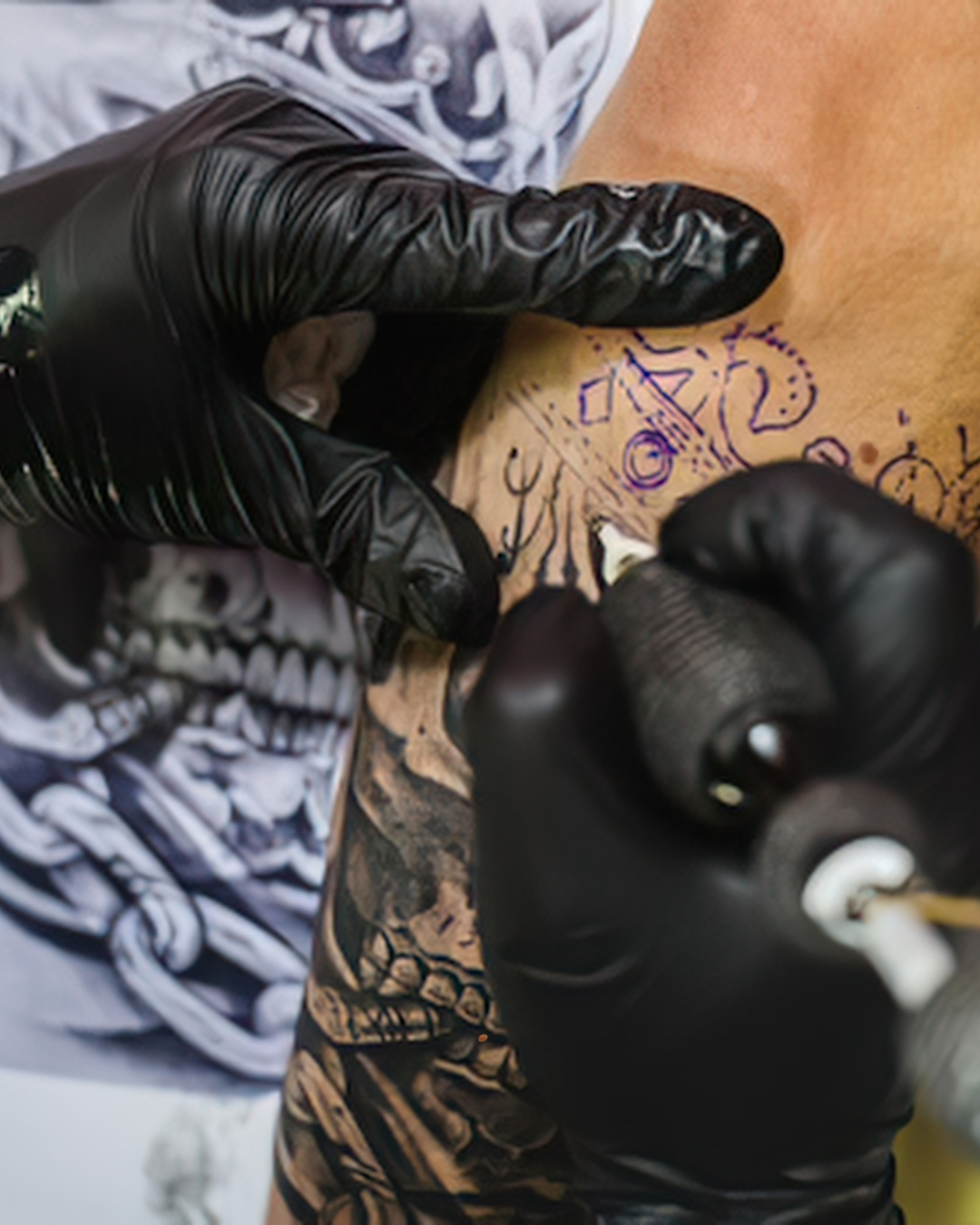
When you get a tattoo, dense pigment is deposited deep into the dermis. While the resulting art is beautiful, that same heavy ink creates a permanent camouflage effect over your skin. If a tattoo covers or even closely surrounds an existing mole, it obscures the natural borders, symmetry, and colour of the lesion.
From a proactive health standpoint, this presents a few challenges:
It hides early warning signs: Skin cancer detection relies on spotting subtle, millimeter-sized changes in a mole over time. Dark tattoo ink makes these crucial changes almost invisible to the naked eye.
It complicates medical exams: Even with advanced clinical tools, distinguishing between artificial tattoo pigment and melanin (the natural pigment in a mole) can be a significant challenge during a standard check-up.
Flatter lesions are easily missed: While reputable artists usually know to avoid inking directly over large, raised moles, flatter or smaller lesions are easily covered up without you or the artist realizing the potential risk.
The safest approach is to establish your skin’s baseline before the needle ever touches your skin. Tattoos can camouflage moles, making any concerning lesions harder to detect.
Don't let the ink take away from your health!


Comments